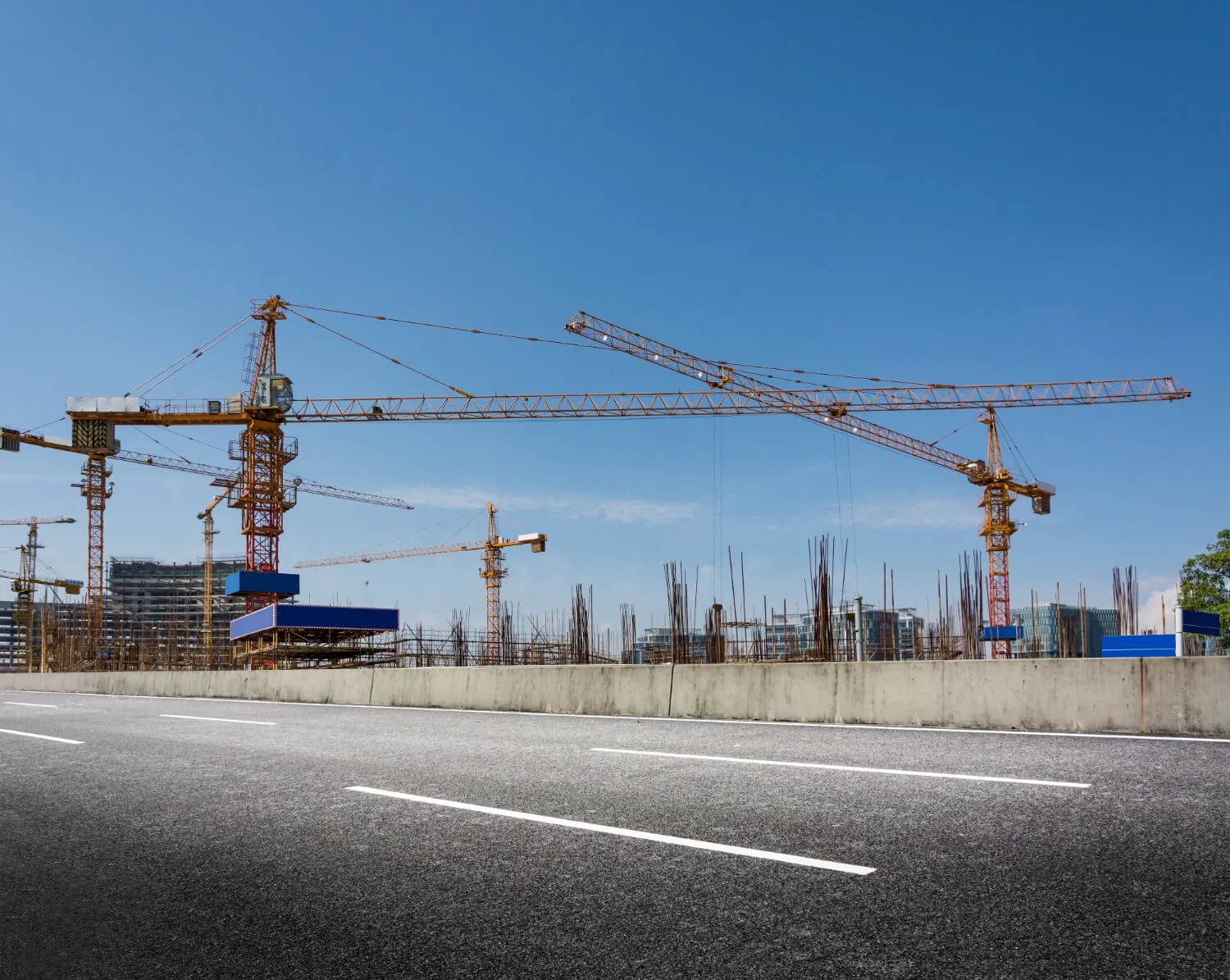
How BIM is Revolutionizing Modern Construction Projects
Building Information Modeling (BIM) is no longer a futuristic concept — it's the industry standard for forward-thinking construction firms. BIM allows all project stakeholders to work from a single, intelligent 3D model that contains not just geometry, but data about every component: materials, cost, schedule, and lifecycle information.

Construction Tech
The addition instinct
When a business starts to strain under its own growth, the instinct is almost always to add. Add headcount. Add process. Add tools, layers, check-ins, approvals. The logic feels sound — the business is bigger now, so it needs more infrastructure.
But in most cases, the strain isn't caused by a lack of things. It's caused by an accumulation of the wrong things — decisions being made at the wrong level, roles that made sense at 10 people that quietly stopped making sense at 40, products that were exciting to build but expensive to support, customers that generate revenue but consume disproportionate service time.
Scaling well isn't about addition. It's about strategic subtraction — and most founders find that deeply counterintuitive.
The three things founders need to let go of
The first is decision-making. Not all of it — but most of it. A founder who is still the primary decision-maker for operational issues at 50 employees isn't demonstrating leadership. They're creating a bottleneck. The transition from "founder who decides" to "founder who sets direction and holds accountability" is one of the most important — and most uncomfortable — shifts in a company's growth.
The second is customers. Not all customers are equal. Some customers represent the business you're building. Others represent the business you used to be — early adopters, friends-of-founders, or opportunistic wins that don't fit your current model. Holding onto them because they generate revenue is understandable. But the cost — in service complexity, cultural confusion, and strategic distraction — is often higher than it appears.
The third is identity. Many founders define themselves by how the business runs, not just by what it does. When the business needs to change — structurally, culturally, operationally — the founder's attachment to "the way we do things here" is often the largest obstacle. Scaling requires a founder who can lead change without mourning the version of the company they built before it.
What good scaling actually looks like
The businesses that scale cleanly share a few consistent traits. They are ruthlessly clear about what they are and are not. Their leadership team makes decisions without the founder in the room. And the founder spends the majority of their time on the three or four things only they can do — vision, key relationships, capital, and culture.
Everything else is either delegated, systematized, or stopped.
The uncomfortable truth
If you're working harder as your business grows, something is wrong. Growth should give you leverage, not consume it. If it feels like you're adding complexity faster than you're adding capability, the answer isn't to push harder — it's to stop and subtract.
The founders who scale well aren't the ones who grind through it. They're the ones who were willing to change how they worked before it became a crisis.
Explore how Formed can bring your next development to life.