Concrete vs. Steel vs. Timber — Choosing the Right Building Material
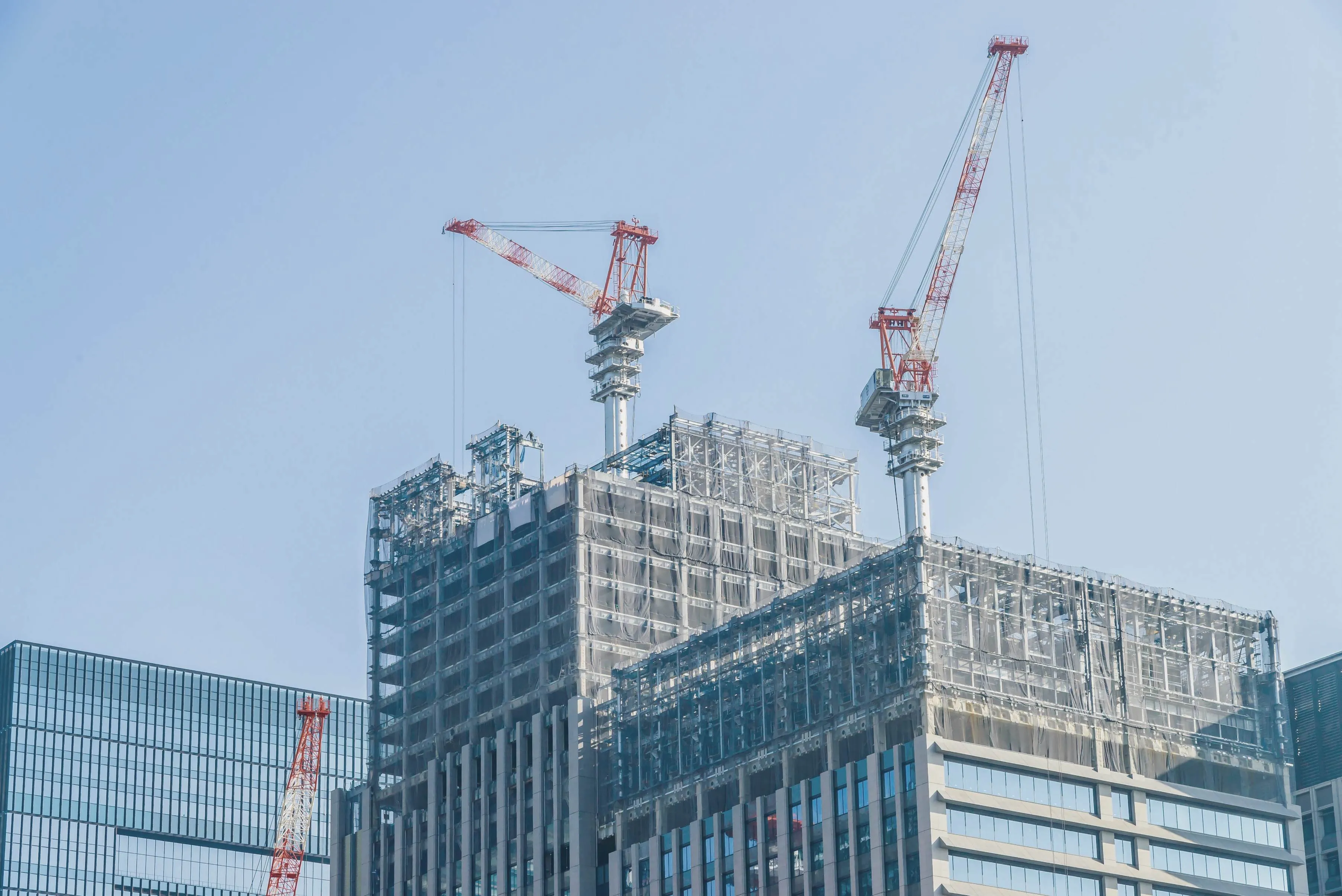
Choosing the right structural material is one of the most consequential decisions in any construction project. Each material — concrete, steel, and timber — comes with distinct advantages, limitations, cost profiles, and environmental impacts. Understanding these trade-offs helps architects, engineers, and clients make smarter decisions.

Building Materials
Caution has a price tag
Nobody thinks of themselves as a slow decision-maker. Leaders who sit on decisions for weeks typically describe themselves as thorough, considered, or appropriately cautious. And sometimes they're right.
But in most businesses, slowness isn't a feature — it's a symptom. A symptom of unclear ownership, insufficient trust in the team, or a culture where being wrong is more costly than being late.
The compounding math of this is brutal. A decision that takes 11 days instead of 2 doesn't just cost 9 days. It costs 9 days multiplied by every person waiting on that decision, every downstream action that's blocked, and every external relationship left in uncertainty. In a business making 50 significant decisions a month, that math adds up to months of lost momentum per year.
Where the slowness actually lives
Most slow decisions aren't slow because the decision itself is hard. They're slow because the right person doesn't have the authority to make them, so they escalate. Or because there's no agreed framework for what "enough information" looks like, so gathering continues indefinitely. Or because the culture rewards consensus over clarity, so meetings multiply.
The fix for each of these is different, but they all start in the same place: mapping where decisions actually live versus where they should live.
In our experience, the majority of decisions that land on a CEO's desk in a 50-plus person business shouldn't be there. Not because the CEO isn't capable of making them — but because the cost of their involvement is too high, and the team beneath them is capable of making them well with the right framework.
Building a faster operating model
The goal isn't to make decisions carelessly. It's to make them at the right level, with the right information, in a reasonable timeframe.
Three things that move the needle: a clear authority matrix that defines who can decide what without escalation; a decision log that creates visibility and accountability without bureaucracy; and a cultural norm that treats a well-reasoned fast decision as more valuable than a slow perfect one — because in most cases, the slow perfect one isn't actually more correct.
The right question isn't "how do we avoid mistakes."
It's "how do we make good decisions faster, and learn from the ones that don't land?"
That shift — from risk avoidance to decision quality — is where the fastest-moving businesses live.


Explore how Formed can bring your next development to life.